Our Vision
In the winter of 2026, the historic club house on the former Tennis and Swim Club property burned to the ground in a fire of unknown origin. While this unexpected event changed the original plan, the Crockwell Partnership remains committed to creating a public nature preserve that celebrates conservation, recreation, and community stewardship. An updated vision plan will be developed as the project continues.

Steps
-
The City and the Crockwell Partnership agree that the Preserve will include both educational and recreational features that will attract students, residents and tourists to this unique wetland area. In July, 2024, the City, in collaboration with the Crockwell Partnership, issued a Request for Qualifications (RFQ) seeking submissions from environmental planning and landscape architecture firms with wetland and / or public park experience, to provide conceptual design services, a needs assessment, and associated cost estimates for the Crockwell Preserve. The City allocated approximately $70,000 for this study, which funds were derived from the federal ARPA grant to the City. After review of all proposals submitted, and interviews with finalists, LaBella Associates was selected to perform design services and present concepts pursuant to the goals stated in the RFQ.
-
Phase I of the Plan included preliminary designs for an Environmental Learning Center, walking trails, recreational amenities, and designed accessibility options between Crockwell Pond and the Preserve. Planning included evaluating the need for continued maintenance for pond silt control, proper flow into and out of the pond, and ways to maintain a healthy aquatic ecosystem. The pond served as a feeding, resting, and breeding ground for many types of amphibians and birds. It was also critical that the Crockwell Preserve be accessible by foot to the residents of Glens Falls via sidewalks and other amenities, and Phase I included that objective.
-
Phase II of the Plan should consider the potential use of neighboring properties (via purchase, donation, easements, gifts) and the potential expansion of trails from the site. The former Tennis and Swim Club property itself includes wetlands and borders a very large area of wetlands transected by Quaker Road. The wetlands on the west side of Quaker Road are largely privately owned and feature ditches that were dug to drain the fields when the Oudekerk Celery Farm existed just beyond the Tennis and Swim Club property. Current-day maps clearly show these ditches between the terminus of East Sanford Street and privately owned property to the north and west of the Tennis and Swim Club property. At least one ditch runs under Quaker Road. These ditches should be under consideration as potential recreational assets used for kayaking as well as their relationship to drainage and the existing ecosystem. The wetlands on the east and northeast side of Quaker Road comprise an approximately 900-acre contiguous wetland ecosystem commonly referred to as the Big Cedar Swamp, much of which is publicly owned. The Queensbury 2003 Open Space Plan identified the Big Cedar Swamp as supporting more than 149 species of plants and animals, five of which were at the time designated species of special concern by the New York State Department of Environmental Conservation. Addressing potential hydrological challenges (water table, residential neighborhoods west of Tennis and Swim Club) along with maintaining ecological balance should inform all recommendations.
Preserve Features
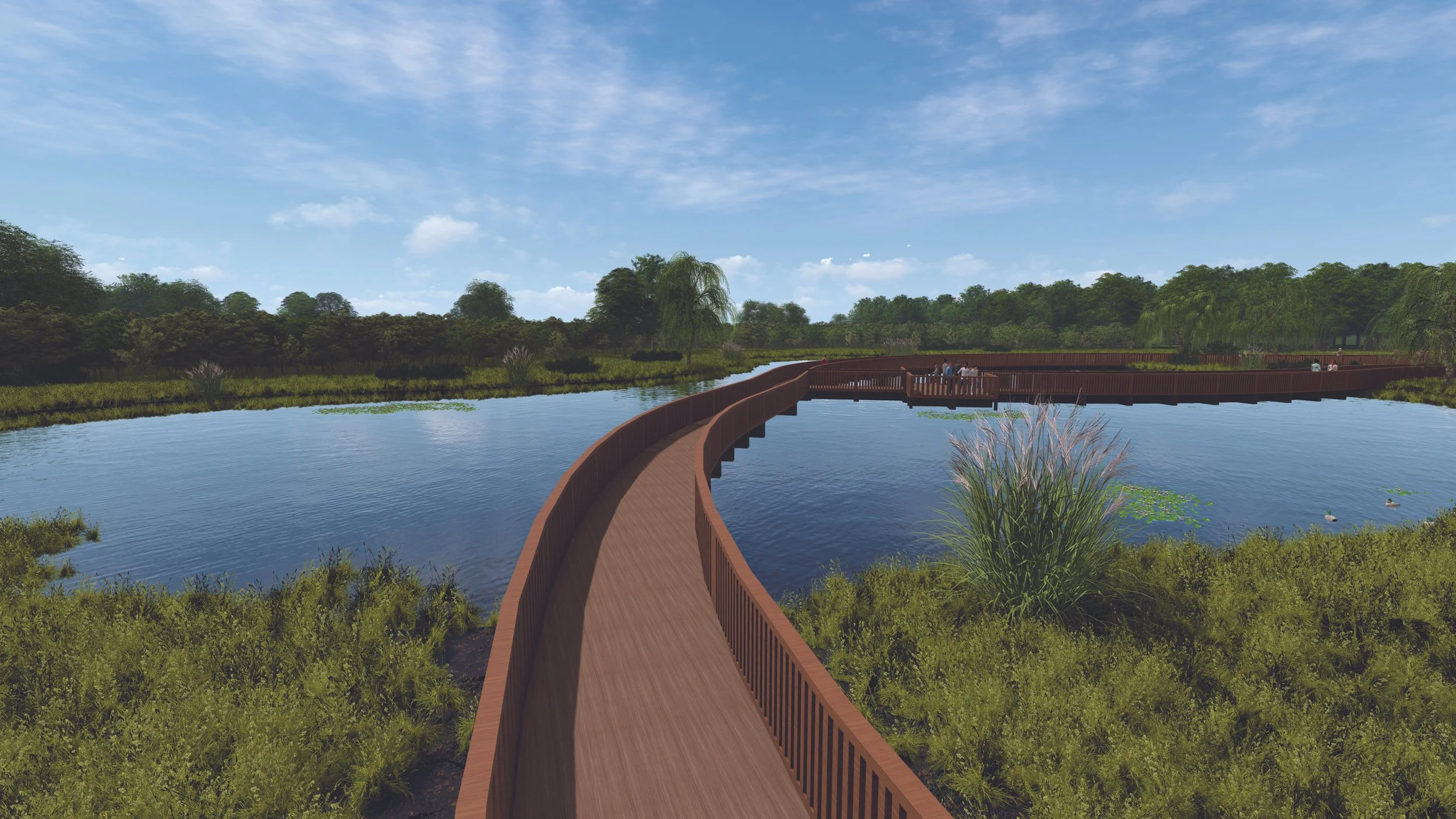
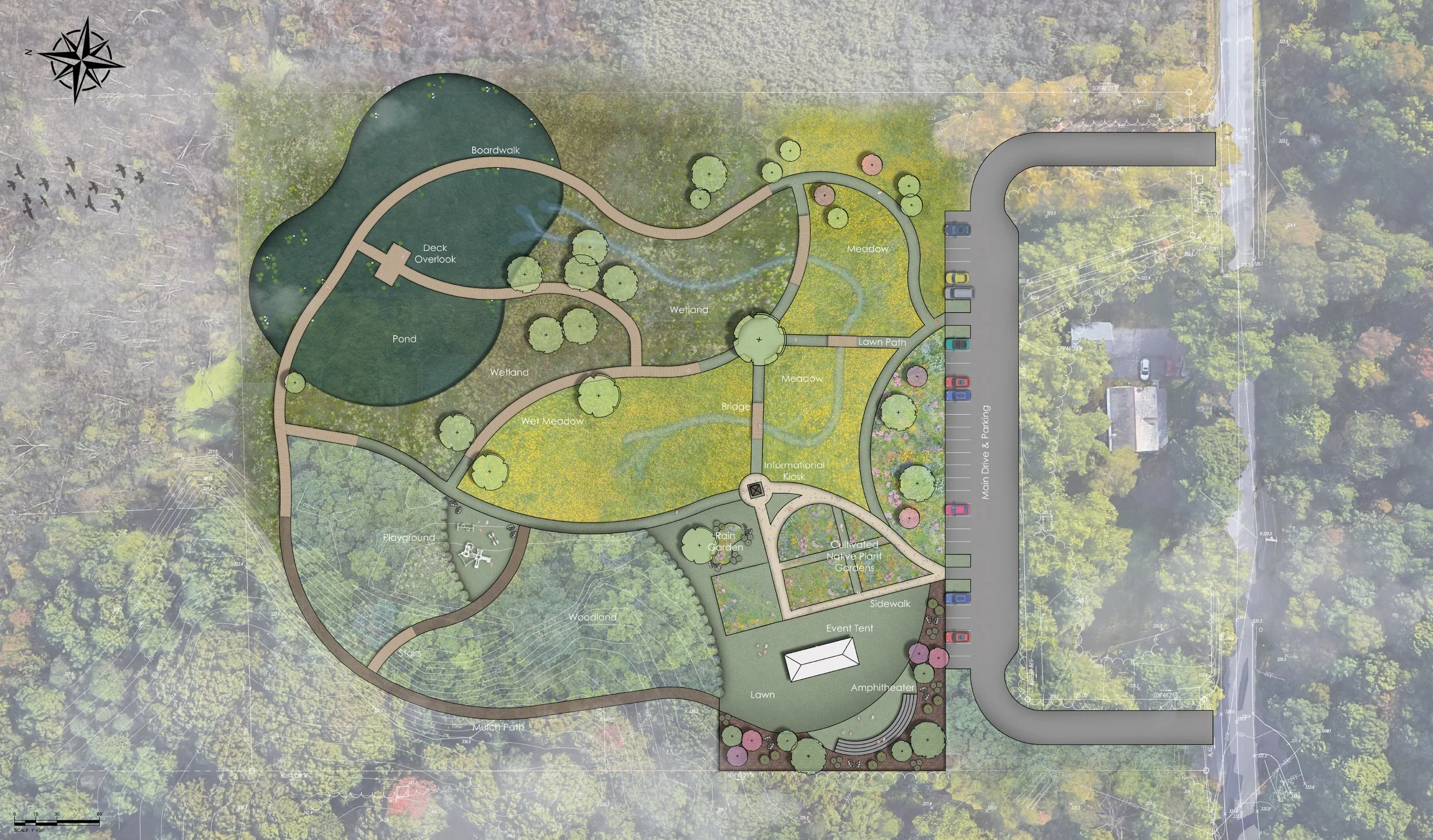
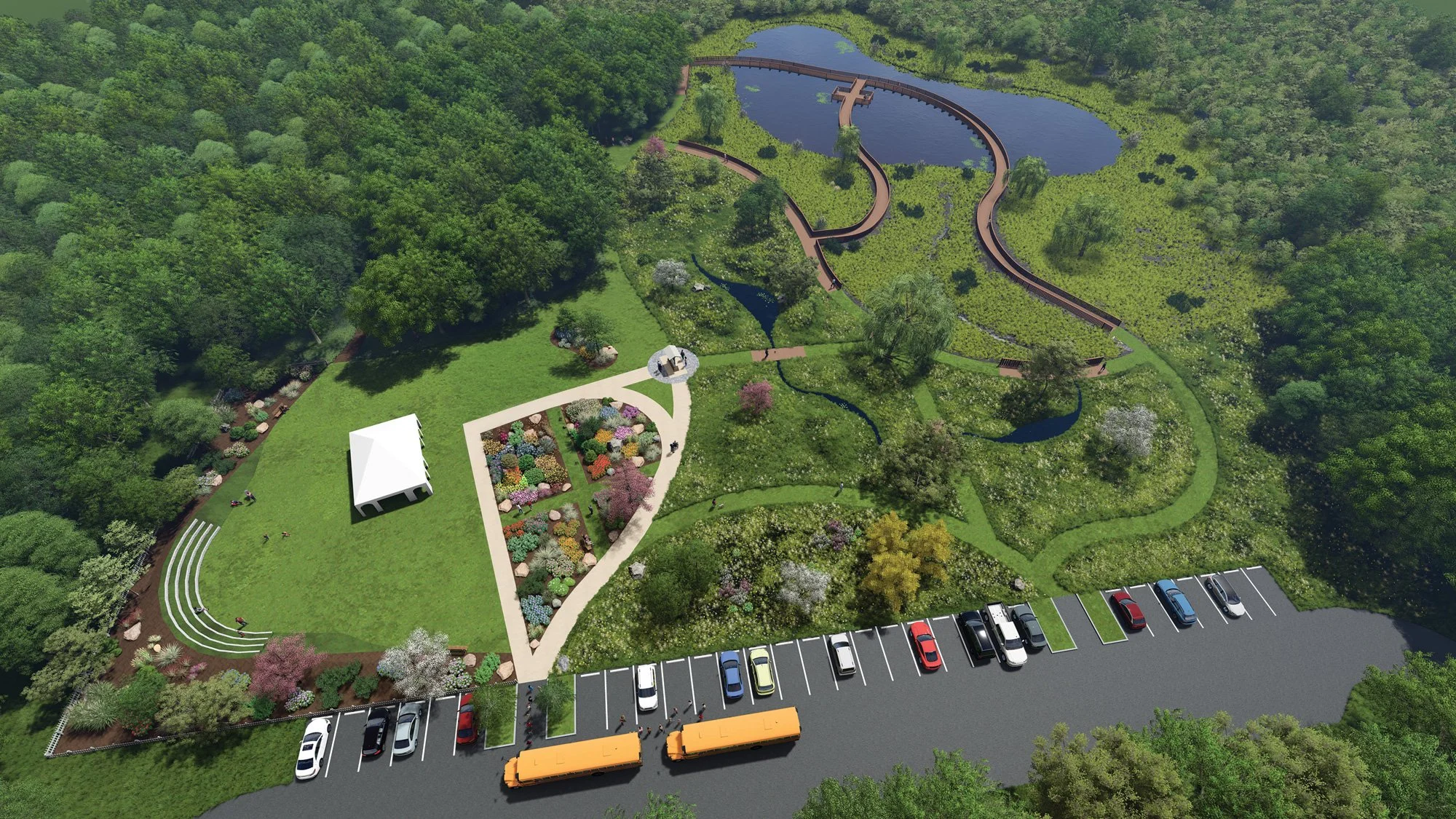
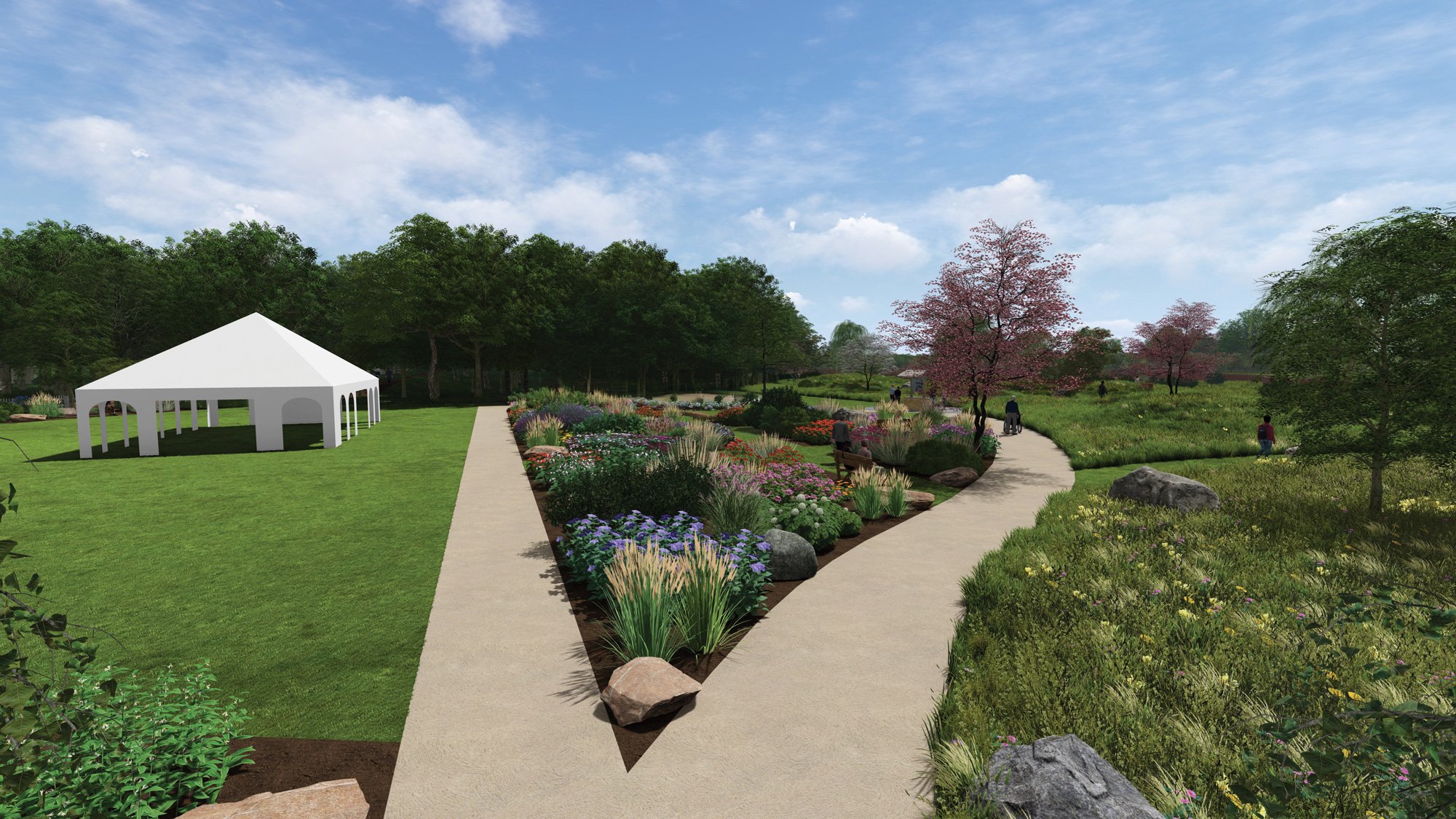
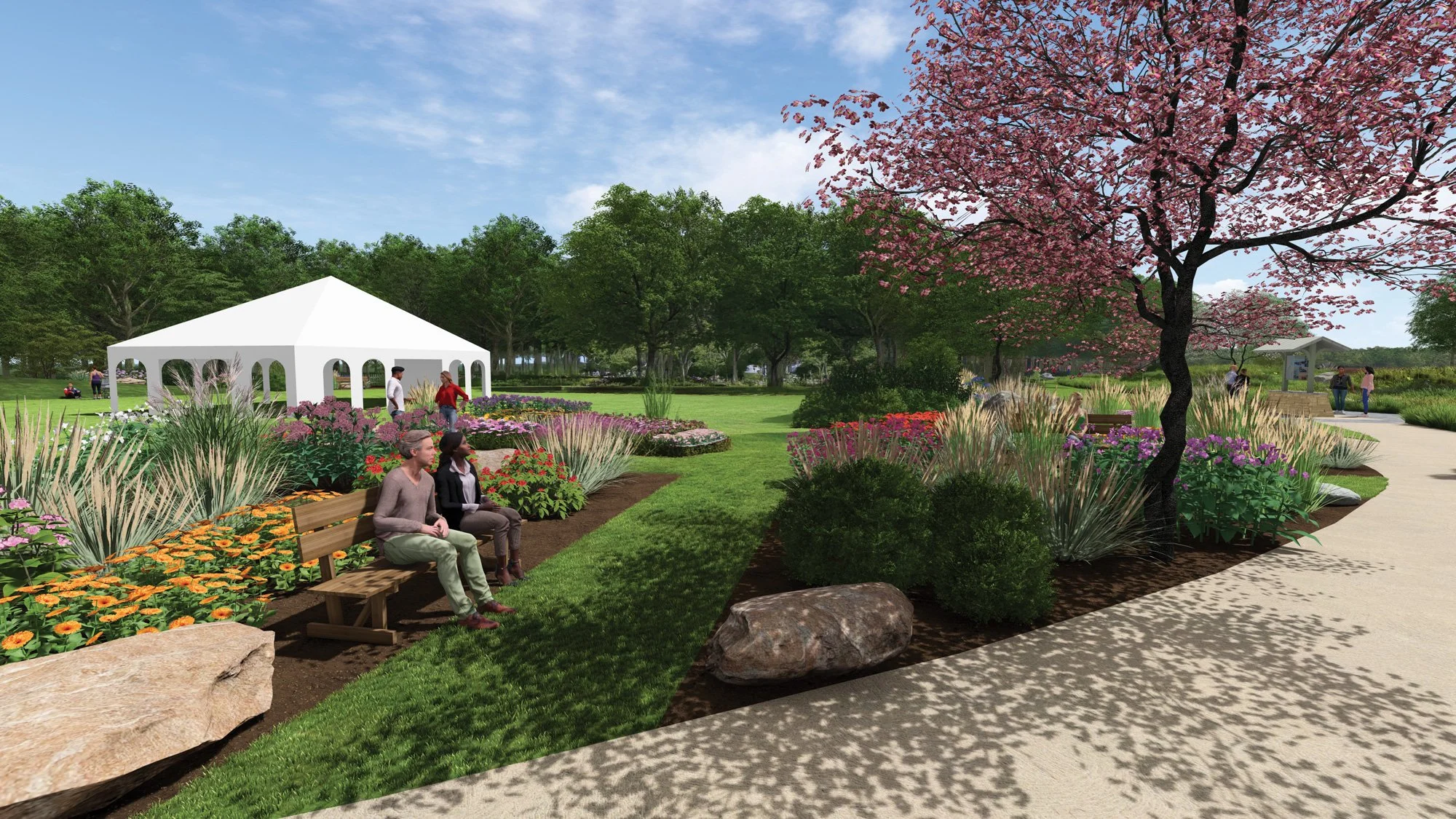
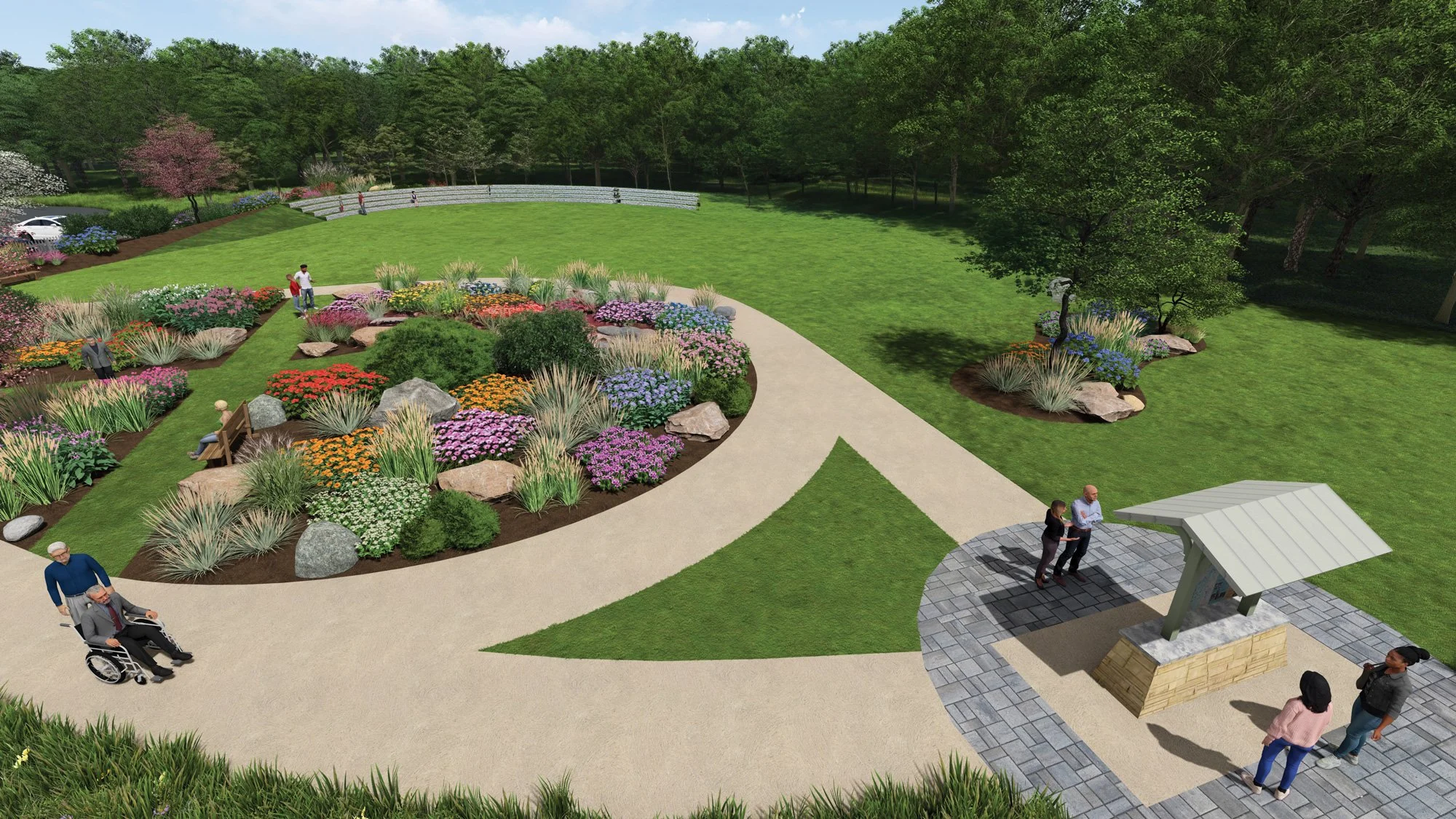
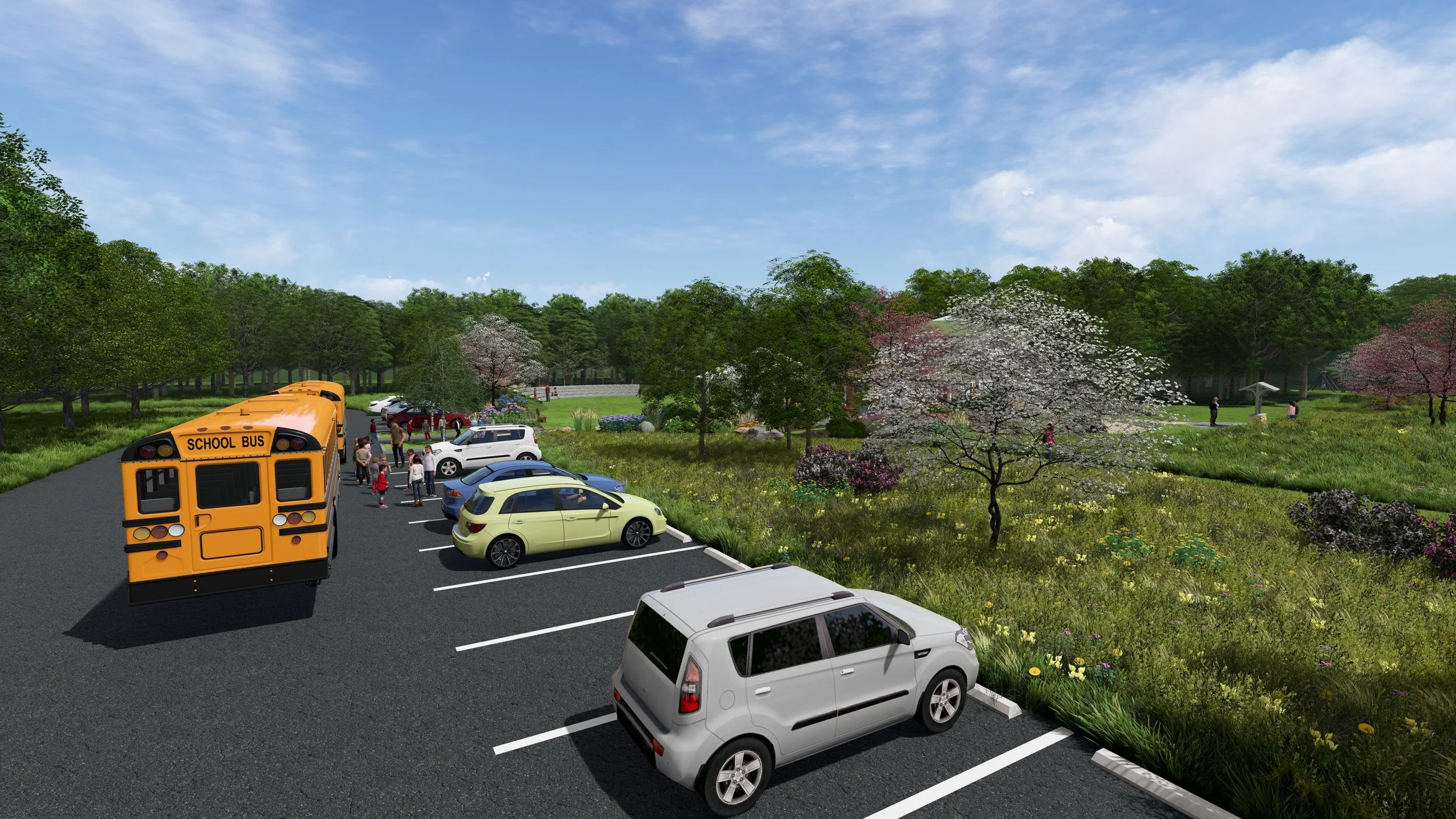
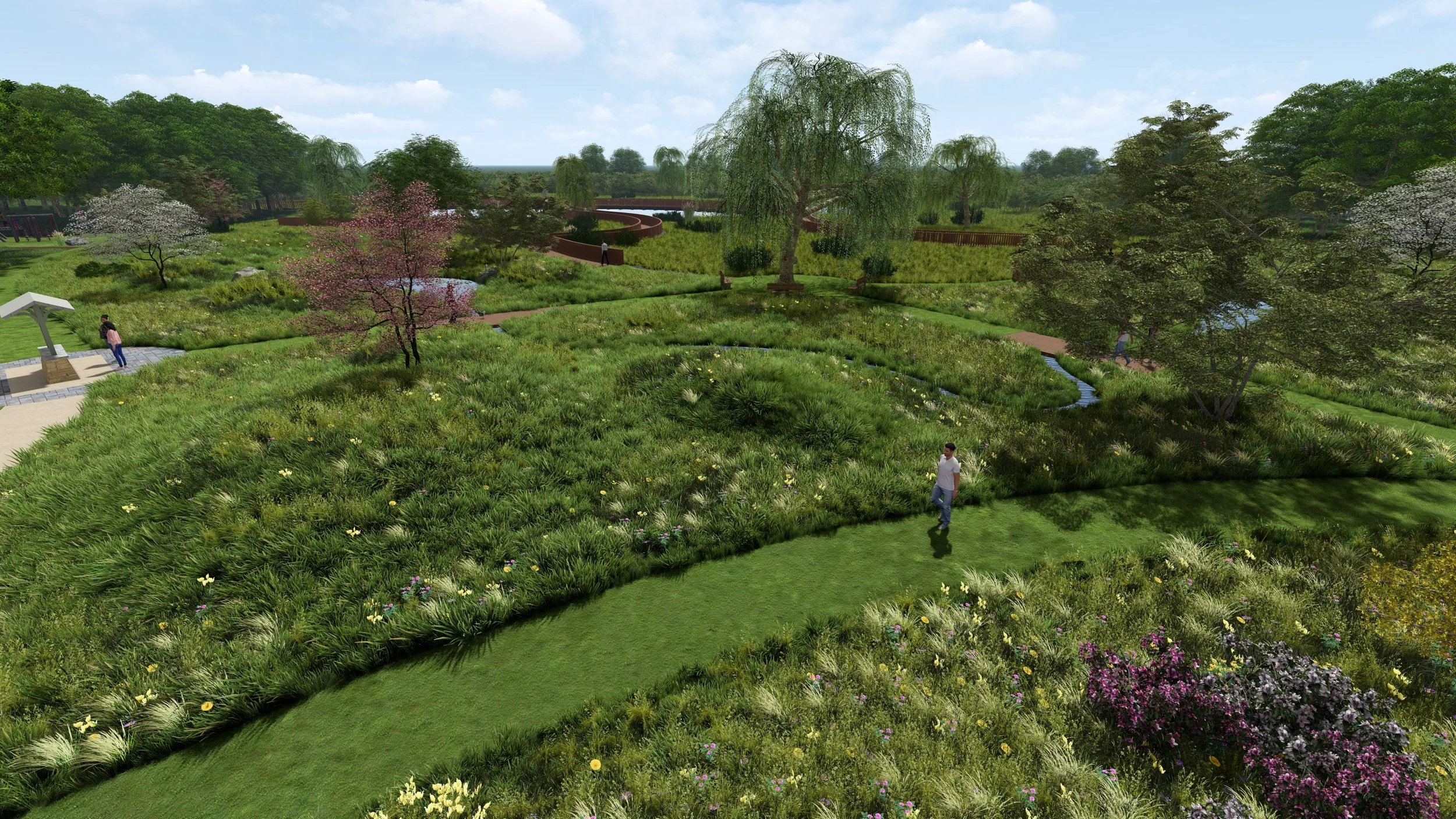
The park brings together restored natural landscapes, accessible outdoor experiences, and flexible spaces for education and community use. Key features and amenities include:
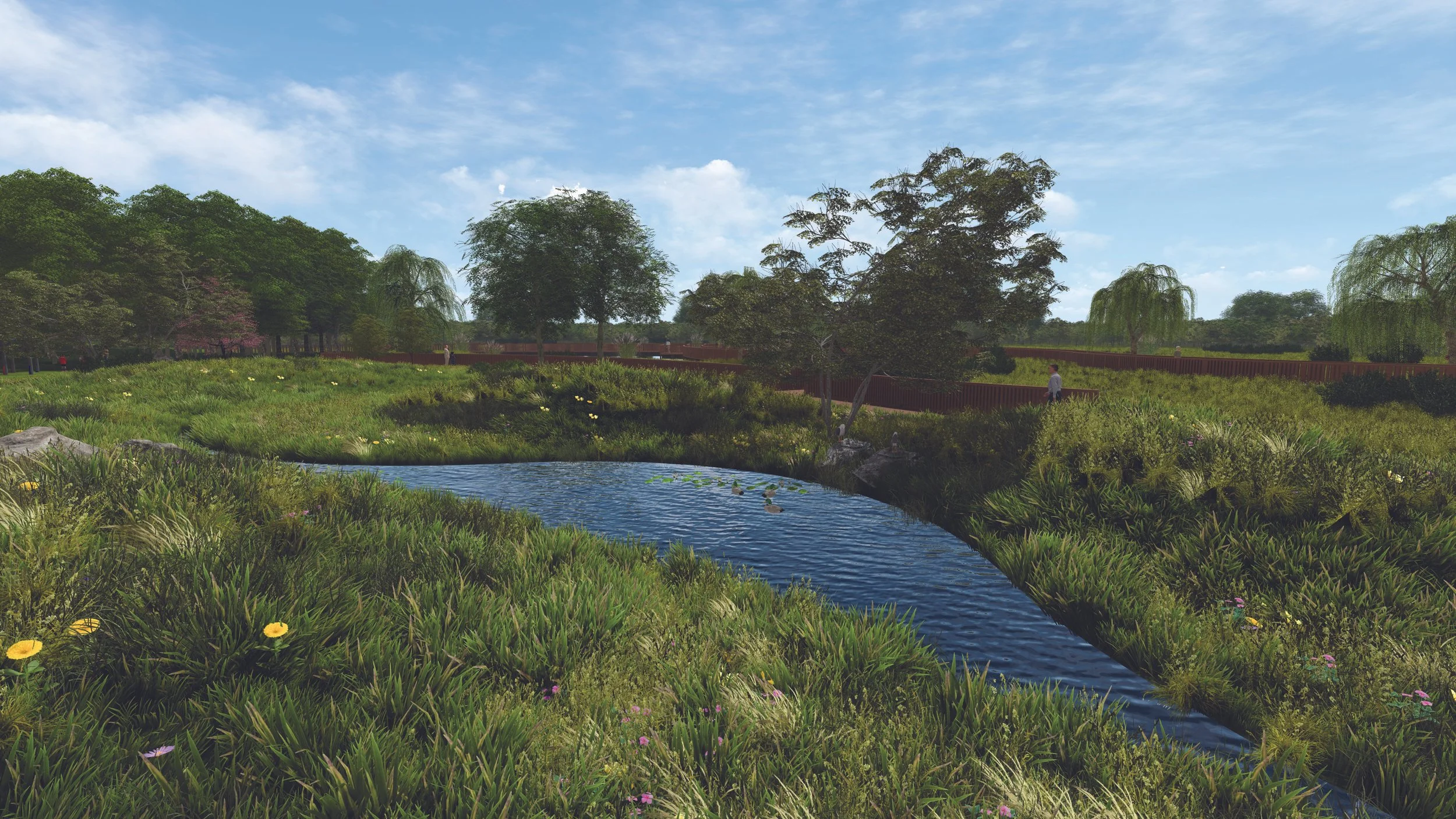
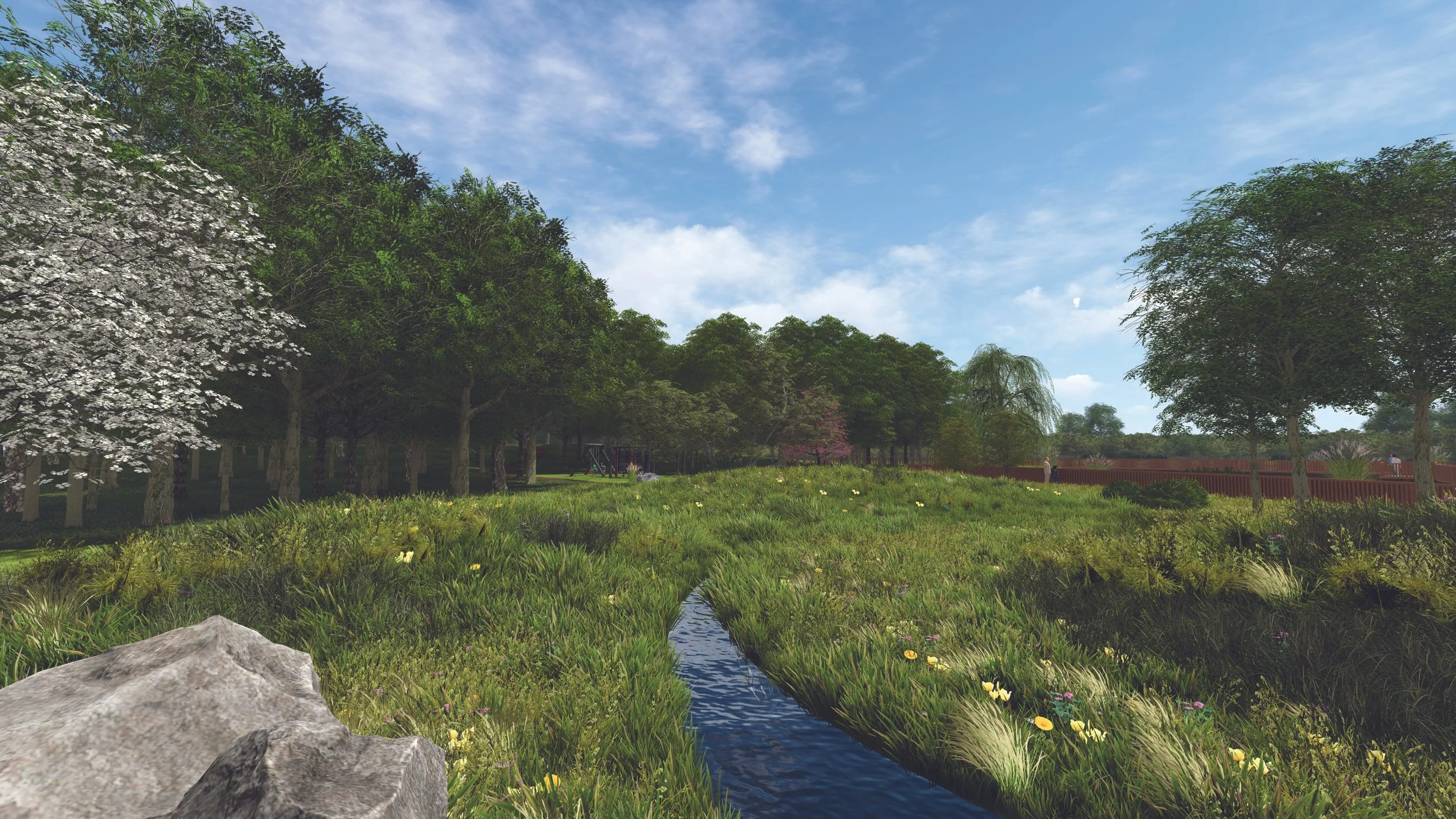
Restored wetlands, native meadows, and planted pollinator gardens
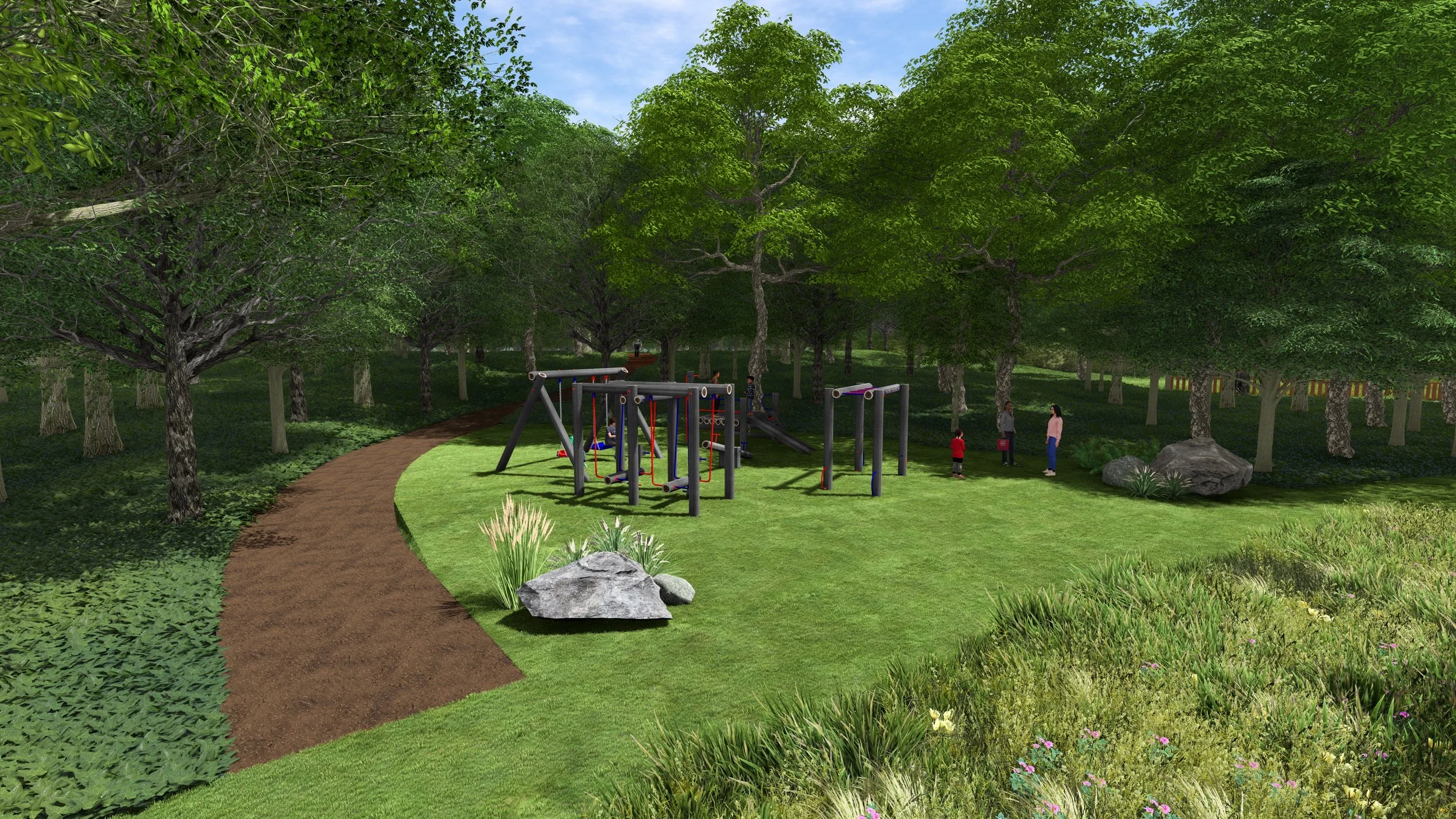
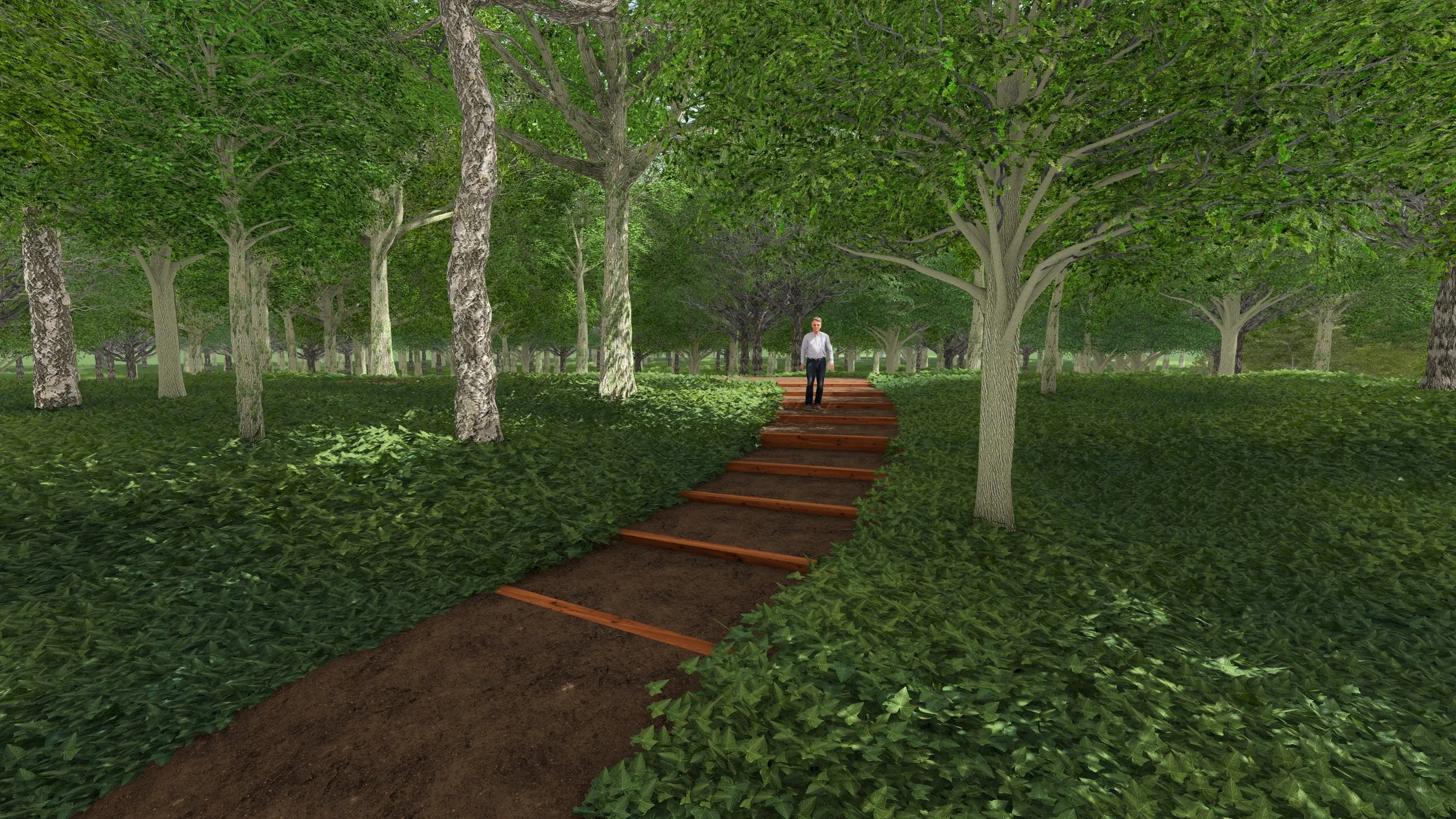
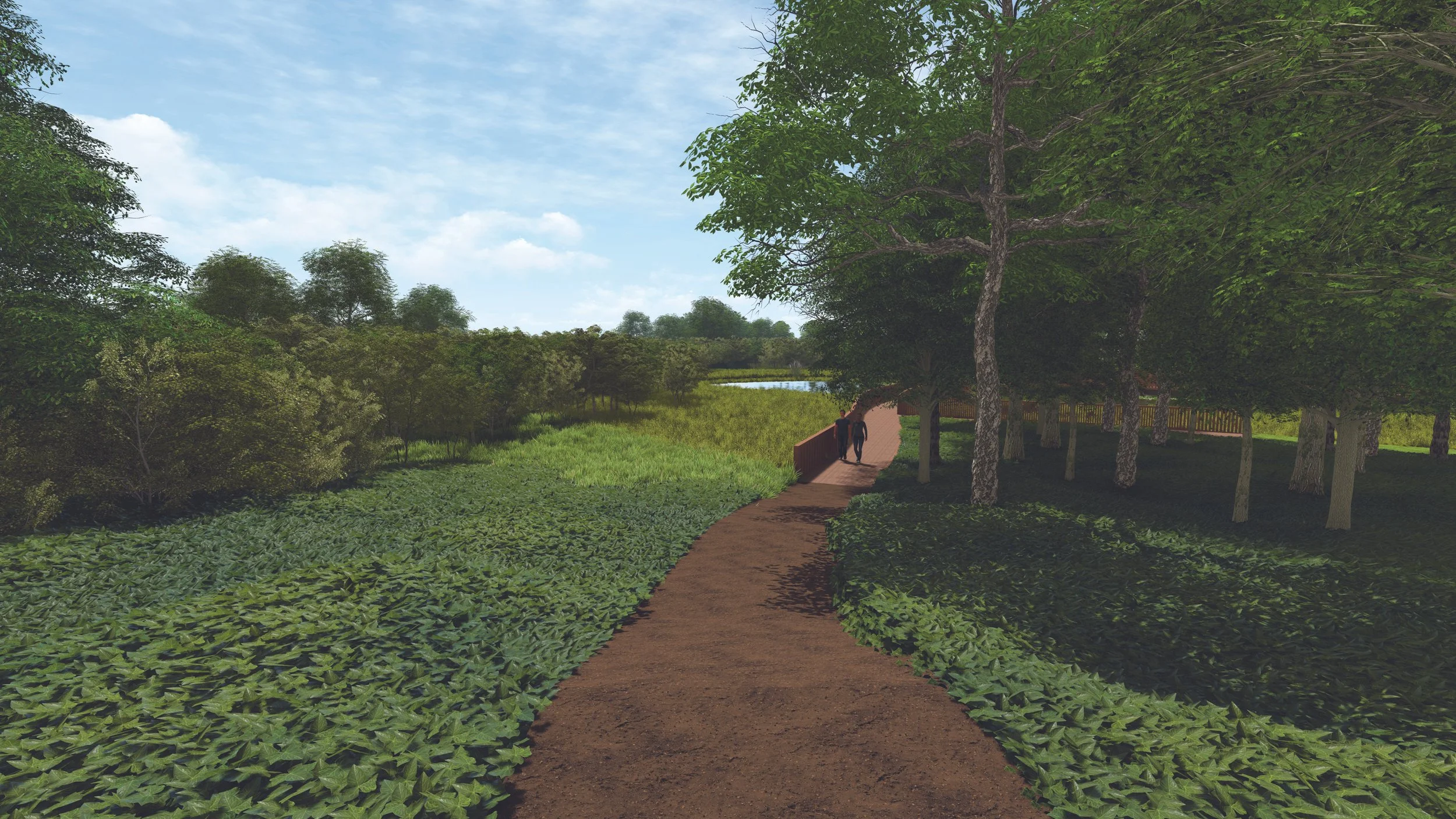
A variety of accessible trails, woodland paths, and a natural play area
Three-tier outdoor amphitheater, outdoor classroom, and an event lawn
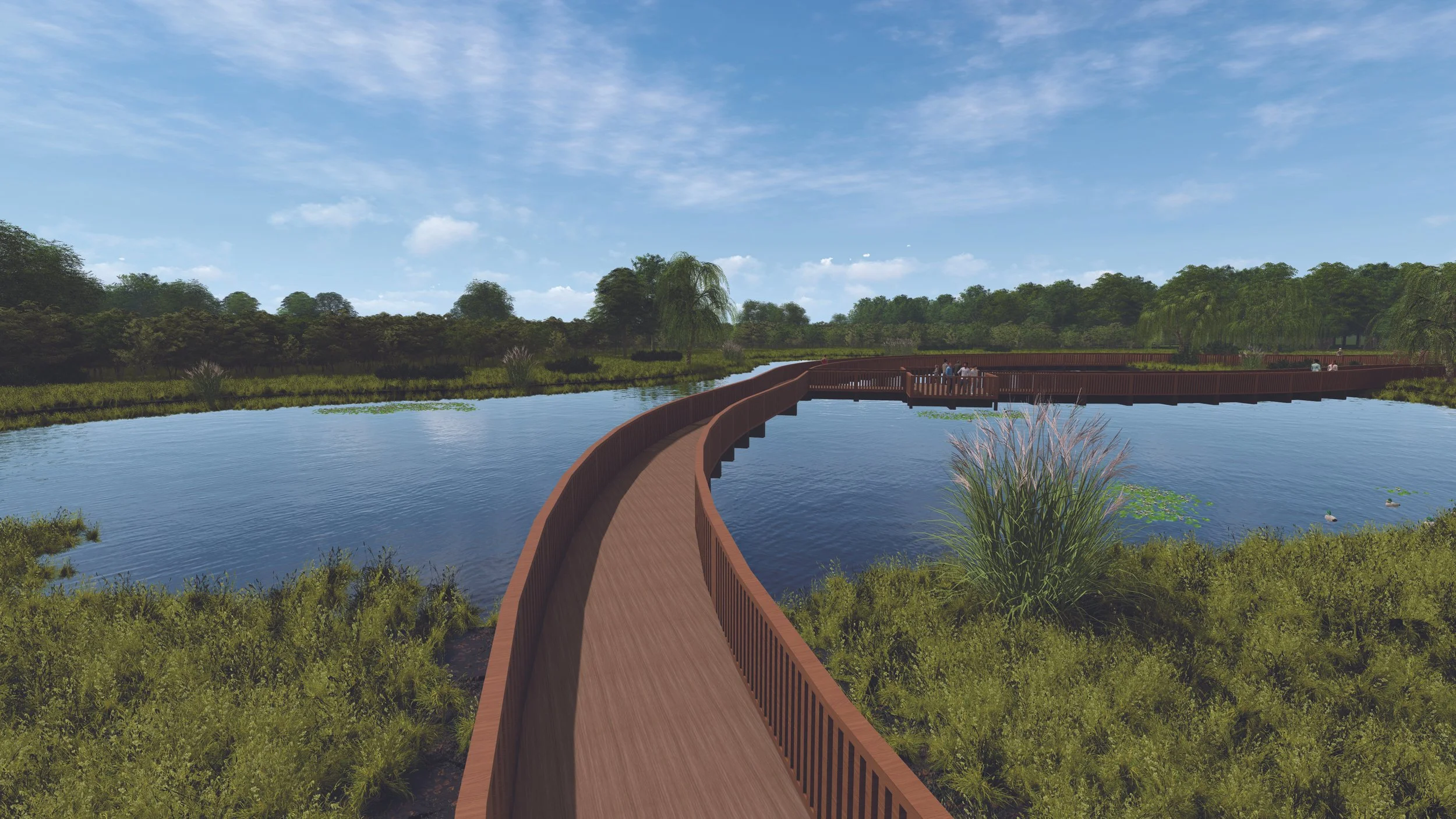
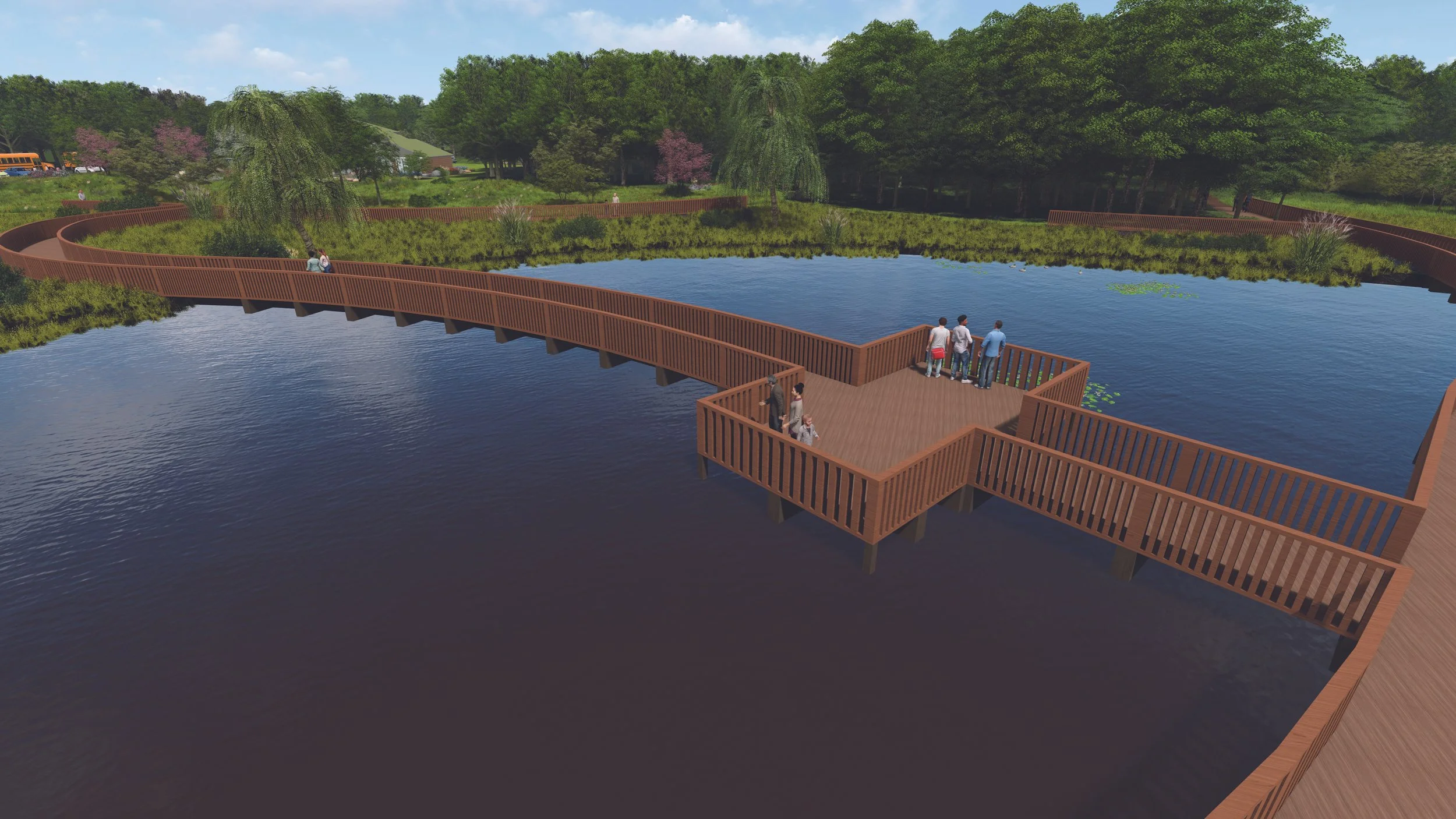
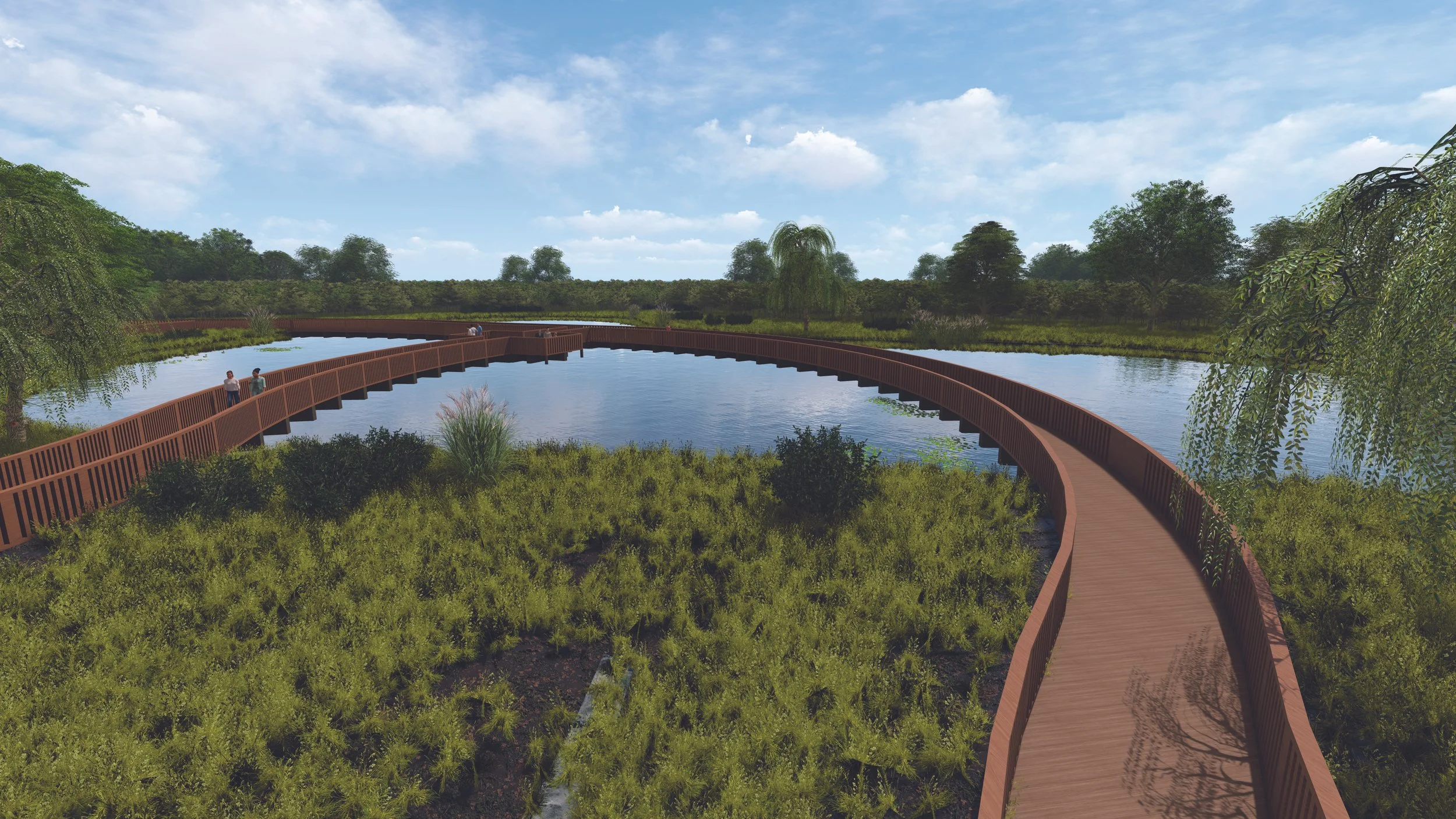
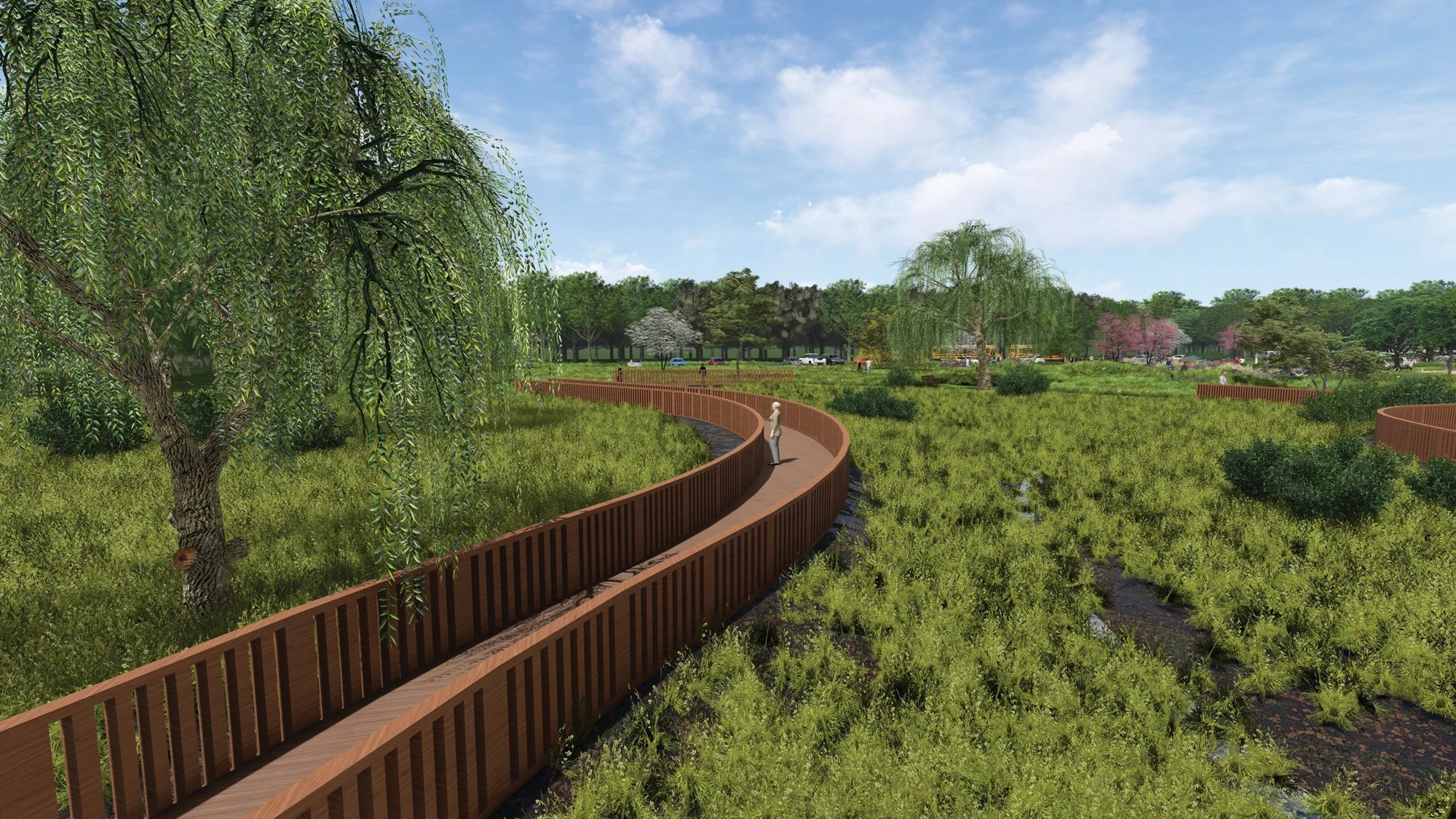
A pond with an observation deck, boardwalks, and bridges
Entrance kiosk, thoughtful site furnishings, and interpretive/wayfinding signage
Proposed Design
Goals
The Crockwell Partnership aims to create an accessible, ecologically vibrant wetland preserve that restores and protects natural habitat, fosters environmental literacy, and serves as a regional model for urban ecological stewardship and community engagement.
Sustainable Infrastructure and Design

Ecological Restoration and Preservation

Environmental Education and Public Engagement

Community Recreation and Wellness

Cultural and Historical Integration